If you want to sell used office furniture in Singapore, start with a clear inventory and a realistic collection window. An assessor needs to know what is available, its condition, how it can leave the building and when it must be gone. Those details help turn a vague enquiry into an offer you can evaluate.
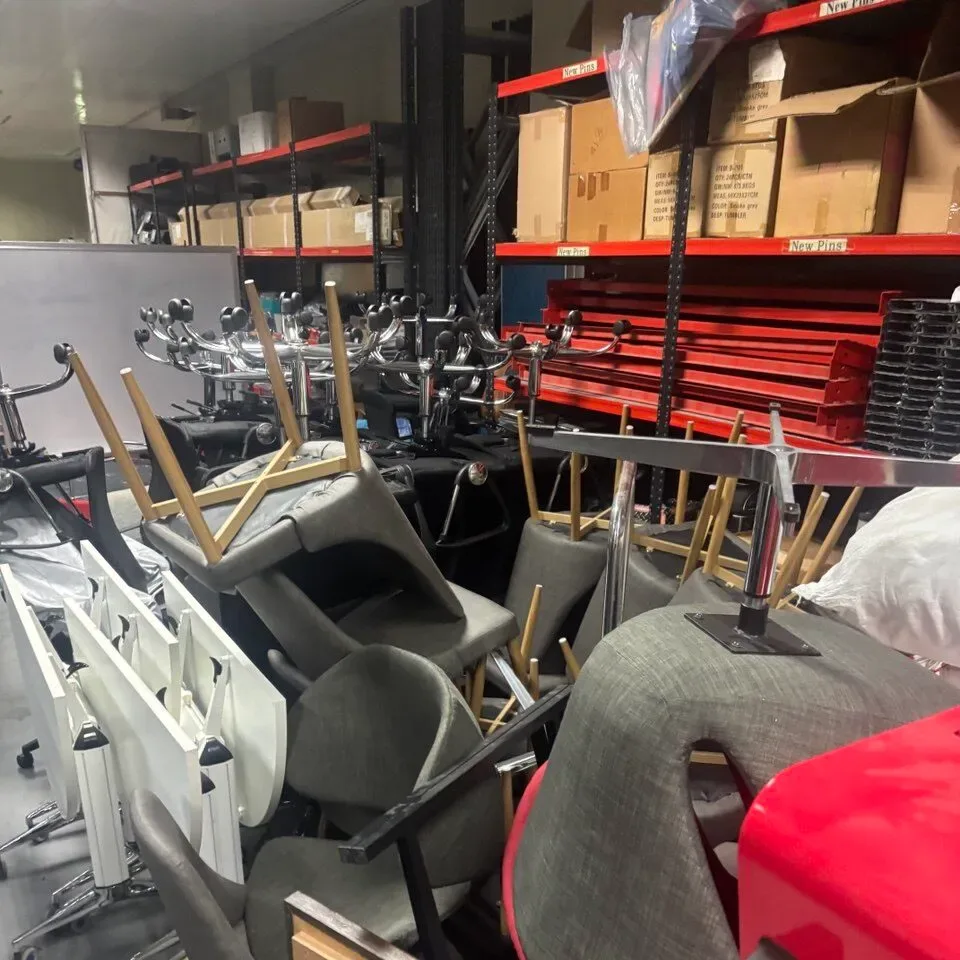
A photograph of a full office is useful for orientation. It is less useful for deciding whether there are twelve matching chairs or twelve different models, whether the table tops are damaged, or whether a cabinet can fit through the goods lift. You do not need a complicated asset-management system, but a little preparation saves a lot of back-and-forth.
Make the inventory easy to quote
Give each item or matching group a simple reference, such as “Meeting room A: table and eight chairs”. Keep that reference on the photos and in the list. For each group, note the category, quantity, brand or model if known, approximate dimensions, condition and location within the premises.
Record faults plainly. A chair with a faulty gas lift, a cabinet without keys and a desk with a chipped top need different assessments. Photograph wear close up, along with a wider view of the whole item. For systems furniture, show the assembled layout and the screens, pedestals, brackets or accessories included.
Add an ownership check. Mark anything leased, financed, owned by the landlord or earmarked for another office. The person arranging clearance may not be the person authorised to sell every item. Resolve those exceptions before accepting a collection list.
Finally, state the release date and the latest possible collection date. If half the desks are still in use, show when each group will be available. A buyer needs a workable pickup plan as well as saleable furniture.
Understand what the offer is valuing
CPL’s Reuse & Renew service assesses condition, demand and resale potential. The original invoice price can help identify a product, but it does not establish what a buyer can recover from it today.
Two similar-looking lots can produce different outcomes. One may contain complete, matching items that can be transferred into another workplace. Another may need repairs, missing parts, several collection trips or storage before a buyer is found. Ask what assumptions sit behind the offer rather than working backwards from a percentage of the original purchase price.
Be clear about whether a photo-based figure is indicative or firm. Ask which items need inspection or testing, how damaged or missing pieces would be handled, and when the accepted quantities and value will be recorded. No one benefits from discovering a different understanding when the collection crew arrives.
Compare the full offer, not just the headline amount
An offer might be a cash purchase, a credit against a clearance project, or an assessment that separates accepted items from chargeable removal. These arrangements can all be workable, but they are easier to compare when the same information is written down.
What is being bought?
List the accepted items, quantities and condition assumptions. Identify rejected or unassessed items separately. A quote for twenty desks should not quietly become permission to clear the contents of the entire office.
What does collection include?
Check dismantling, packing, carrying distance, lift access, loading arrangements, parking or building charges, and any required after-hours work. State who is arranging each part and whether it is included in the offer.
How and when is value settled?
For a project credit, show it against the relevant clearance proposal. For a purchase, agree the payment arrangements and the record of ownership transfer. If the figure depends on later resale, make that condition explicit and ask how the final amount will be evidenced.
Compare what you receive or pay after the included collection and other charges. Do not subtract the same saving twice. If collection is already included in a buyback figure, it is not a separate saving to deduct again from a clearance quote.
Protect the items until they are collected
Once a lot is accepted, keep it identifiable. Label sold items, set aside the parts that belong with them, and tell the rest of the project team which assets must remain intact. Loose fixings and keys can easily disappear when several contractors share a floor.
Agree dismantling responsibility before work starts. Breaking down furniture too early can make condition harder to assess and leave parts mixed with debris. Protect items from wet works and heavy removal routes where practical, without blocking exits or creating unsafe storage.
On collection day, reconcile what leaves against the agreed list. Record additions, shortages or rejections with the person authorised to decide. An updated collection record is more useful than trying to reconstruct the lot from photographs after the site is empty.
Keep equipment and unsold items on separate tracks
Computers, storage devices and other data-bearing equipment need an IT release process in addition to a commercial valuation. Agree who will handle account removal, data sanitisation and any required evidence before transfer. Do not assume furniture buyback includes these services.
For items without an acceptable resale route, consider internal reuse, repair or donation to a recipient that has actually agreed to receive them. Donation can still involve transport and handling costs. For waste, establish the appropriate collector and route rather than leaving rejected items for someone to sort out at the deadline.
NEA’s waste-collection guidance identifies unwanted furniture and bulky waste within Class A general waste. Ask who will handle the remaining waste stream and what collection records will be provided.
Questions worth settling before you accept
Does the original purchase price determine the buyback offer?
No. It may help identify the item, but a current offer also depends on condition, demand, resale potential and the agreed collection arrangements.
Can a buyback credit cover the whole clearance bill?
It depends on the assets and the project. Compare the confirmed credit with the full clearance, dismantling, access and remaining disposal charges. A buyback assessment does not guarantee a zero-cost clearance.
Send CPL a useful first enquiry
Start with photos, your item list, the building location and the collection deadline. CPL can assess eligible furniture and equipment through Reuse & Renew and discuss an agreed buyback value or credit against clearance. State any access restrictions and items that are still in use so the proposal can account for them.
Request a Reuse & Renew assessment
Planning the rest of your move? Read the office handover checklist
Guidance checked on 6 October 2026. Service scope and recovery value are subject to assessment and the agreed proposal.