A useful office clearance record should explain what left the premises, where it went and which outcomes have been confirmed. Start with an asset inventory, agree the evidence you need before collection, and reconcile the final record afterwards. That gives facilities, finance and sustainability teams a shared account of the same project.
Without that agreement, you may receive a short note saying “all items cleared” when your finance team needs the buyback credit and your sustainability team needs quantities and destinations. The crew may have completed its collection exactly as booked, but the report still cannot answer the questions being asked of it.
Give usable assets a route before they become waste
Start by separating what your organisation will keep, what has an accepted reuse destination, what should be assessed for buyback or repair, and what needs an appropriate recycling or disposal route. A proposed donation is only workable once a recipient accepts the items and collection arrangements.
NEA’s June 2026 waste-statistics release encourages businesses to prioritise reduction and reuse. It reports a 67% non-domestic recycling rate for 2025. That is national context across commercial and industrial waste, not a target or predicted outcome for an individual office clearance.
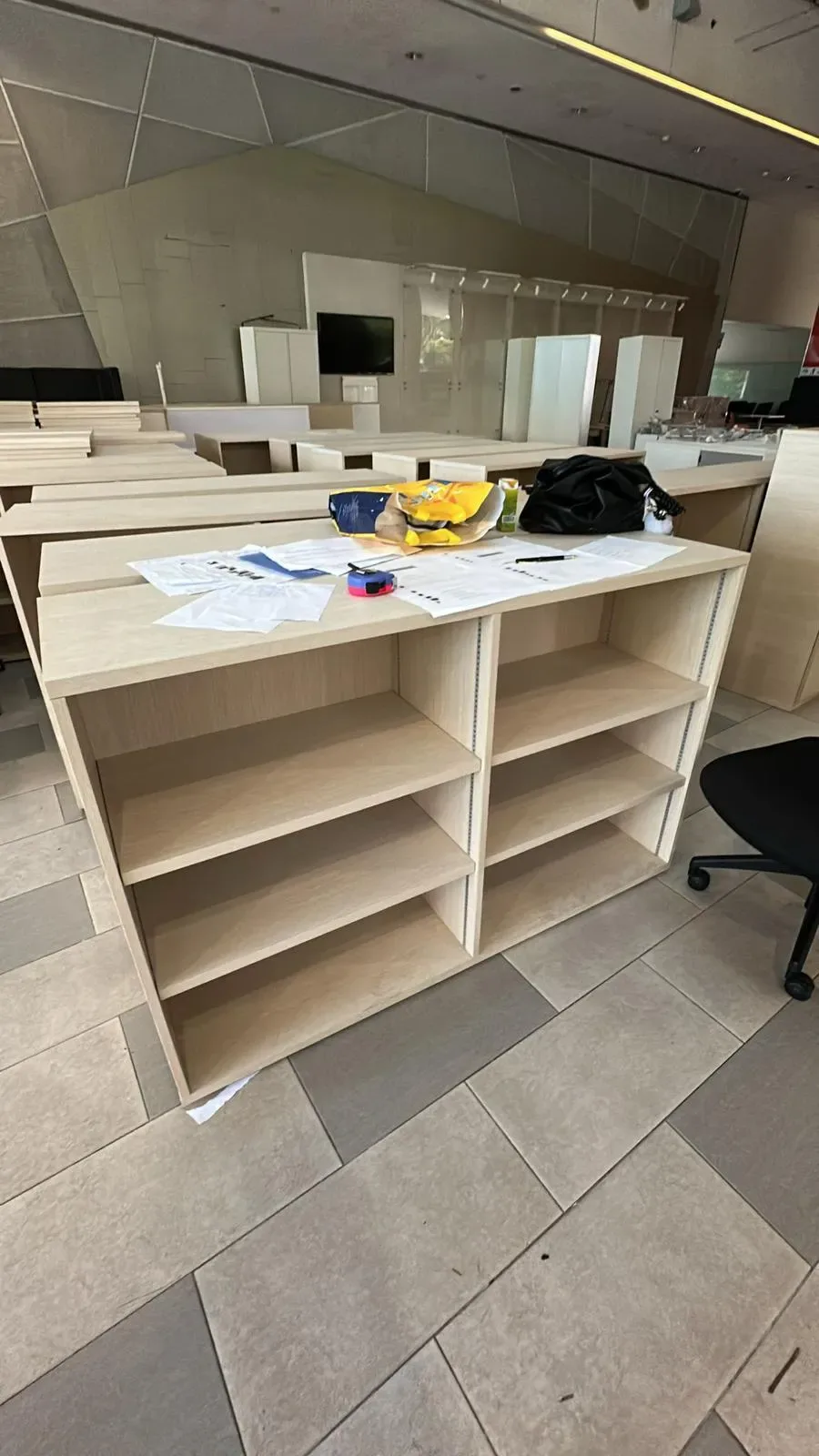
For your project, use the inventory to preserve choices. Photograph complete furniture before dismantling, keep matching components together and tell the removal team which assets must be kept separate. Once items are damaged or mixed with debris, both recovery and reliable reporting become harder.
Agree the record fields before accepting the quote
For each asset group or waste stream, ask for an identifiable reference, description, quantity, collection date, agreed route, recipient or facility where appropriate, and the supporting receipt or record reference. Add an outcome status and the date it was confirmed.
If the service is priced or reported by weight, ask how the weight will be established. Keep measured weights separate from estimates and note the method used. A number described only as “tonnage diverted” is difficult to interpret if no one can explain what was weighed or how it was allocated to your project.
Also agree the reporting boundary. Does the record cover furniture only, or furniture plus electronics, packaging and reinstatement debris? Does it include items your relocation mover transferred to the new office? These choices change the totals, so state them before comparing suppliers or projects.
Choose one contact to reconcile the inventory and one person to accept the final report. They may be different people, but they should be working from the same list.
Distinguish collection from a confirmed outcome
Use status wording that matches the evidence. “Collected for resale assessment” means something different from “sold and transferred to a new user”. Similarly, “sent to a recycler” identifies a route but may not establish how much material was ultimately recovered.
Ask what supporting evidence the provider can reasonably supply for each route and when it becomes available. Some records can be completed at pickup. Others depend on downstream processing or transfer. Keep pending outcomes open rather than treating every item that leaves the building as successfully reused.
Here is a simple illustrative reconciliation: forty chairs are listed for assessment, thirty-six are accepted and four are rejected after inspection. The record should explain the route for those four, along with the accepted lot. It should not report forty chairs as resold just because forty left the office.
This also matters when assets move through refurbishment. Record whether repair is proposed, underway or completed, and avoid counting the same item once as reused and again as recycled in the same total.
Check the waste collector and stream
NEA’s waste-collection guidance says licensed general waste collectors primarily serve commercial and industrial premises. Class A includes unwanted furniture, bulky waste and renovation debris. Ask who will collect each waste stream and check that the relevant collection arrangement fits the materials involved.
Keep reusable assets and waste clearly distinguished in the proposal. A secondhand buyer collecting accepted furniture and a waste collector removing rejected items may have different roles and records. If the main provider coordinates both, ask it to identify those responsibilities rather than relying on one broad “eco-friendly disposal” description.
Agree what will happen to unexpected items before work starts. Batteries, chemicals, specialist equipment or unidentified materials should not simply be added to the general clearance load. Ask the provider to identify the appropriate route and any exclusions.
Handle office electronics and data separately
NEA’s e-waste guidance distinguishes regulated consumer and non-consumer products. Equipment used in a business is not automatically classified as non-consumer equipment; dual-use products can fall within the consumer category. Identify the equipment before choosing its collection or recycling route.
For data-bearing devices, involve IT before release. Keep a device or batch reference linked to the approved data-handling process, the recipient and the agreed sanitisation or destruction evidence. Ask who provides that evidence and exactly which devices it covers.
A furniture collection record is not a data-destruction record. Do not assume a buyback service includes certified erasure, or that a standard recycling receipt confirms the treatment of every storage device. Put those requirements into the agreed scope where they matter.
Keep the financial and environmental results distinct
Reconcile the accepted buyback amount or clearance credit with the final invoice. Explain any quantity changes or condition adjustments against the approved record. That gives finance a traceable commercial result.
For sustainability reporting, describe the evidence-backed outcome separately: items redeployed, items accepted for reuse, measured material sent through a stated route, and outcomes still pending. A recovery credit is a financial figure; it does not tell you the weight recycled.
Avoid carbon-saving or “zero landfill” claims unless the provider can support the specific claim with a suitable method and evidence. A sensible report can be useful without promising more than the records show.
What to discuss with CPL
CPL’s Strategic Waste Audits service covers waste and asset assessment, recoverable value and diversion reporting. Reuse & Renew assesses eligible assets for buyback or recovery. Tell CPL which records your facilities, finance or sustainability team needs, so the proposal can define the reporting scope.
Bring your inventory, approximate quantities, collection deadline and any internal reporting template to that discussion. Ask which figures will be measured, which may be estimated and when the final reconciliation will be available.
Does a receipt prove the furniture was recycled?
It proves the recorded collection or transfer. Match any recycling or reuse claim to evidence of that outcome and keep unconfirmed results clearly labelled.
Can the report prove carbon savings?
Only with an appropriate method, stated assumptions and supporting data. Counts, weights and credits alone do not establish a carbon-saving figure.
Discuss an asset and waste assessment with CPL
Read the office handover planning checklist
Guidance checked on 6 October 2026. The suggested records are a practical procurement framework; specific reporting obligations and service deliverables depend on your premises and agreed scope.