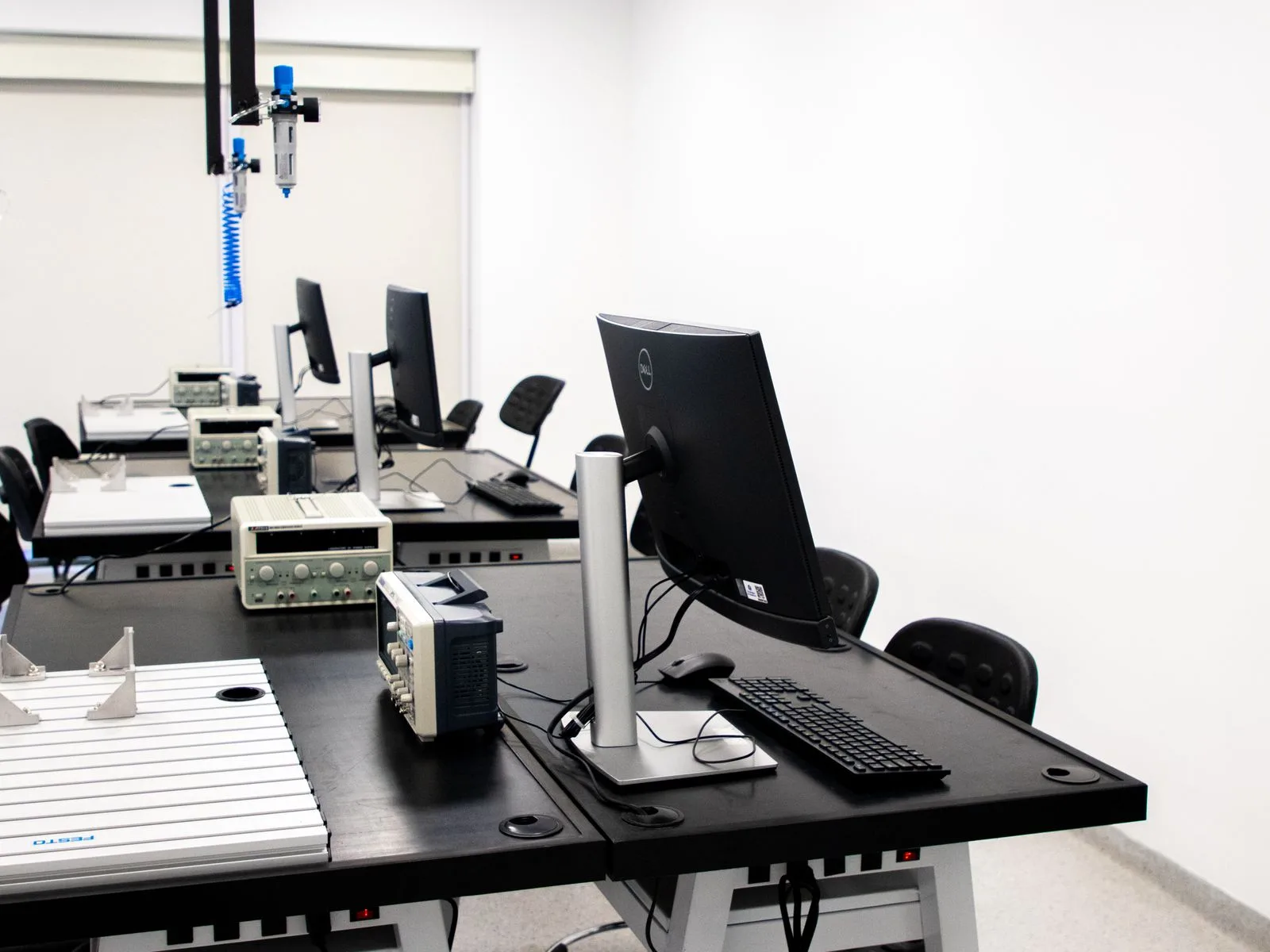
Bulk IT equipment buyback in Singapore helps businesses assess whether surplus desktops, monitors, laptops and related office hardware can be sold instead of immediately treated as waste. The best outcome starts with a clear asset list, a data-release plan and a practical collection scope. CPL Services assesses eligible office electronics through its Reuse & Renew programme, subject to condition, demand and agreed terms.
What is a corporate IT equipment buyback?
It is a commercial assessment of surplus equipment owned by a company, school, facility or organisation. Instead of quoting one retail trade-in price per device, a buyer evaluates the entire lot: what can be reused, what needs testing or refurbishment, how the assets will be moved and which items have no acceptable resale route.
Bulk buyback may form a standalone transaction or be considered alongside a larger office clearance or reinstatement project. The commercial distinction matters: a cash purchase is not the same as a recovery credit against removal costs.
Which office IT assets are worth listing for assessment?
Do not assume that every device is accepted. Prepare an inventory for the categories you have, then let the assessor confirm what is suitable. Common office asset groups to describe include:
- Desktop PCs and small-form-factor workstations: note make, model, CPU, RAM, storage and working status.
- Monitors and docking stations: include screen size, resolution where known, connections, stands and power adapters.
- Business laptops: include exact model, generation, chargers and any battery or screen faults.
- Servers, NAS, network switches, routers and rack equipment: record specifications, licences, drives and decommissioning status; acceptance is especially case-specific.
- Conference-room electronics, printers and peripherals: identify each category and ask about marketability rather than assuming a positive price.
For office laptops specifically, see our guide to selling used laptops in Singapore. It covers model details and the preparations for company-owned devices.
How do buyers calculate value for an IT hardware lot?
The likely return depends on current secondhand demand, tested condition, model age, specifications, completeness and the costs of collecting, testing, refurbishing, storing and reselling. A working enterprise workstation with an intact configuration is not valued the same way as a pile of obsolete, incomplete desktop towers.
Ask for three lines in a quotation where relevant: the value of equipment accepted for buyback; dismantling, collection and handling costs; and the charge or agreed route for rejected or non-resaleable equipment. A high headline buyback value may not be the highest net return if removal conditions are excluded.
How should businesses prepare a bulk IT asset list?
A spreadsheet with consistent fields is usually sufficient. Group identical models together, but preserve unique identifiers where IT or finance needs reconciliation. Recommended fields are asset ID, description, manufacturer, full model, quantity, specifications, functional status, accessories, location, and approved disposal or sale status.
- Mark devices as tested-working, faulty or untested; never treat an untested lot as confirmed operational.
- Record missing stands, chargers, disk caddies, RAM, SSDs, network modules and server rails.
- Identify leased assets, third-party-owned equipment and equipment reserved for internal redeployment.
- Share clear overview photographs and close-ups of model labels, but avoid sending confidential data visible on screens or stickers.
What do collection logistics change?
An office-floor collection may need security clearance, loading-bay booking, protected lift access, packing, a removal crew or after-hours access. Rack-mounted hardware may need authorised shutdown and specialist disconnection before anyone moves it. Share these constraints before asking for a firm price.
If your office is being vacated, decide which contractor removes recoverable IT equipment and which handles remaining furniture and waste. CPL’s office reinstatement service can be considered with asset recovery when one coordinated project is preferred. Scope and credit should be documented rather than assumed.
How do you manage company data and device locks?
Before transfer, have the authorised IT team confirm required backups, removal from enterprise device management, software licensing restrictions and secure data sanitisation or drive destruction. Devices that cannot be safely released should not be handed over merely because they appear on a clearance inventory.
Some buyers can quote on machines with drives removed, but the valuation may differ. Confirm the approved configuration and responsibility in writing. If data-handling evidence is required, request it explicitly rather than assuming that standard buyback includes a certificate.
Buyback or recycling: which route should each device take?
Use a triage approach: reuse or buy back equipment with credible residual value; assess repair or parts recovery where viable; send non-resaleable electronics to an appropriate e-waste channel. NEA’s e-waste management guidance provides Singapore-specific context. Some regulated products are classified by product type rather than simply by whether the seller is a business.
How to request a bulk office IT buyback quote in Singapore
Send a concise list of categories and quantities, sample model specifications, photographs, pickup location, loading restrictions and required date. Note whether data storage has been removed or still needs an approved sanitisation process. CPL Services can assess suitable assets under Reuse & Renew and indicate any proposed buyback value or clearance offset subject to agreed conditions.
Frequently asked questions
Can you buy back a mixed lot of desktops, monitors and servers?
A mixed corporate lot can be submitted for review. Acceptance of individual categories, especially servers and specialist hardware, depends on condition, configuration, demand and the agreed collection scope.
Can the buyback value offset an office clearance bill?
It may, if CPL is appointed for the relevant services and both parties agree on the value and scope. The offset is not guaranteed and should be separately shown in the proposal.
What happens to equipment the buyer does not accept?
Seek an explicit reuse, refurbishment, recycling or disposal route. Costs, collection roles and available records should be agreed before the site is cleared.
Get an assessment for your office IT equipment
Share the categories, quantities and site requirements. CPL can review your lot for eligible recovery value, whether standalone or part of a broader office transition.