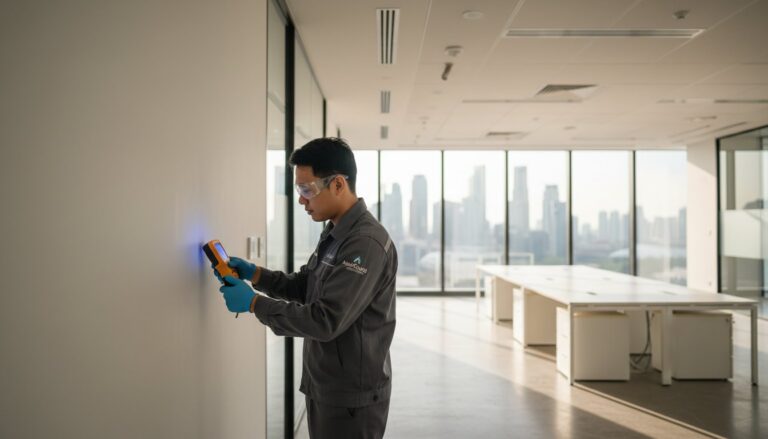


As businesses evolve and office spaces transform, the need to navigate the intricate process of office reinstatement has never been more crucial. Whether you’re a tenant preparing to hand back your leased premises or a landlord seeking to restore your property to its original state, understanding the nuances of office reinstatement in Singapore is key to a smooth transition. This comprehensive 2025 guide unpacks everything you need to know — from legal obligations and common pitfalls to practical tips and cost considerations — ensuring you approach office reinstatement with clarity and confidence in the dynamic Singaporean commercial landscape.
Understanding the Legal Landscape of Office Reinstatement in Singapore
Navigating the legal framework surrounding office reinstatement in Singapore requires a clear understanding of the contractual obligations and statutory regulations that govern property restoration. When a commercial lease ends, landlords often invoke reinstatement clauses compelling tenants to restore the premises to its original condition. These clauses are not mere formalities; they have legal weight and often specify the scope of work, timelines, and even penalties for non-compliance. Tenants must therefore approach reinstatement not as a simple cleanup but as a legally binding deliverable that demands careful planning and execution.
To demystify the process, consider these essential legal elements:
- Lease Agreement Clauses: Identify reinstatement requirements distinctly outlined in the contract.
- Building Regulations: Comply with the local authority’s building codes and safety standards when restoring the space.
- Dispute Resolution: Understand mechanisms such as mediation or arbitration included in the lease for disagreements relating to reinstatement.
- Environmental Compliance: Ensure that disposal of waste materials adheres to environmental protection laws.
To illustrate, landlords and tenants can refer to the typical timeline for office reinstatement in Singapore as outlined below:
| Stage | Duration | Key Consideration |
|---|---|---|
| Inspection & Notice | 1-2 weeks | Formal notice from landlord |
| Restoration Work | 4-8 weeks | Compliance with contract and codes |
| Final Inspection | 1 week | Landlord approval required |
Key Steps and Best Practices for a Smooth Office Reinstatement Process
Embarking on an office reinstatement journey requires meticulous planning and coordination. Prioritize engaging a competent project manager who can navigate timelines, budgets, and vendor negotiations to prevent unforeseen delays. Equally essential is conducting a comprehensive site assessment to identify any damages or wear and tear that need addressing before handing back the premises. Maintain clear communication channels with landlords to align expectations and ensure all reinstatement requirements are transparent and agreed upon early in the process.
Implementing best practices can significantly streamline operations. Focus on sustainable and cost-effective materials to boost your office’s environmental credentials while potentially reducing costs. Creating a detailed checklist that encompasses electrical work, flooring restoration, painting, and fixture removal can keep the team on task and mitigate overlooked steps. Use the following guide to balance quality, compliance, and efficiency:
| Step | Best Practice | Tip |
|---|---|---|
| Planning | Draft a phased timeline | Include buffer days for unexpected delays |
| Material Selection | Choose eco-friendly options | Consult suppliers for sustainable certifications |
| Communication | Schedule weekly status updates | Maintain detailed records of correspondences |
| Quality Check | Conduct walk-through inspections | Use a checklist aligned with lease requirements |
Cost Management Strategies and Financial Planning for Office Reinstatement
Navigating the financial waters of office reinstatement can be daunting without a clear cost management framework. Begin by breaking down the entire project scope into smaller, manageable components, which will help isolate expenses and identify opportunities for savings. Prioritize fixed costs such as structural repairs and essential compliance work before allocating budgets to aesthetic upgrades. Integrating a contingency fund, typically around 10-15% of your total budget, safeguards against unforeseen expenses that often arise during reinstatement projects.
To further optimize spending, consider a phased approach to financial planning that aligns with key project milestones. This method allows you to monitor cash flow closely and adjust allocations dynamically. Collaborating with vendors who offer transparent pricing and flexible payment schedules can also improve budget adherence. The table below illustrates a basic budget allocation model to help visualize typical cost distribution during office reinstatement:
| Expense Category | Typical Allocation (%) |
|---|---|
| Structural Repairs & Compliance | 40 |
| Fixtures & Finishes | 25 |
| Project Management & Consultancy | 15 |
| Contingency Fund | 12 |
| Miscellaneous & Permits | 8 |
Selecting Reliable Contractors and Materials for Quality Assurance
Embarking on an office reinstatement project demands a keen eye for trustworthy contractors who uphold punctuality, professionalism, and transparency throughout the process. It’s essential to conduct thorough background checks, examine portfolios, and seek genuine client testimonials. Prioritising contractors with local experience in Singapore’s office reinstatement standards can mitigate potential setbacks and ensure your space is restored efficiently and to the highest benchmarks.
Equally crucial is the selection of materials, which should balance durability with aesthetic appeal. Opt for suppliers who provide clear product specifications and certifications, especially those adhering to Singapore’s environmental and safety standards. To assist you, here’s a quick comparison of recommended materials that harmonise quality and cost-effectiveness:
| Material | Durability | Eco-friendliness | Estimated Cost |
|---|---|---|---|
| Vinyl Flooring | High | Moderate | $$ |
| Low VOC Paint | Medium | Excellent | $$$ |
| Aluminium Partition | High | Good | $$$ |
| Acoustic Ceiling Tiles | Medium | Good | $ |
- Verify certifications to avoid subpar materials.
- Request sample products to assess quality firsthand.
- Establish clear contracts to define expectations and contingencies.
Concluding Remarks
As the office landscape continues to evolve, staying informed about reinstatement requirements is more important than ever. Whether you’re a tenant wrapping up a lease or a landlord preparing for a new chapter, this 2025 guide aims to be your reliable companion through every step of the office reinstatement journey in Singapore. By understanding the nuances, regulations, and best practices highlighted here, you can approach the process with confidence and clarity—turning what might seem like a daunting task into a seamless transition. Here’s to making your office reinstatement in Singapore not just a formality, but a strategic move toward your next workspace success.